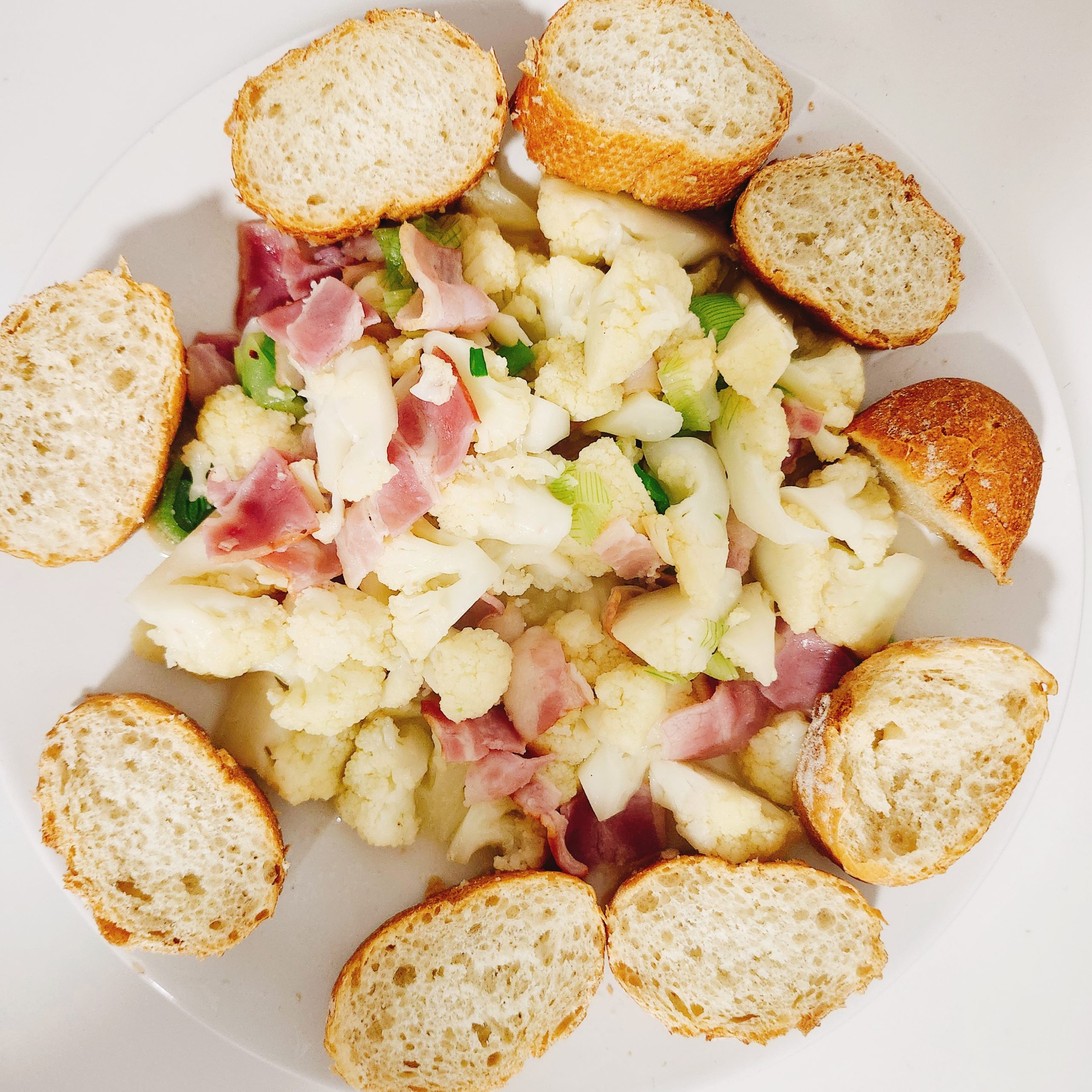
面包是西班牙人的主食。地位不亚于馒头在中国餐桌上的地位。本文着重介绍的是主食面包,这是中国人或是以米饭,馒头为主食的亚洲人首选主食替代。也是融入瓦伦西亚餐桌的首选食品。
1.Baguette (法棍)与 Barra de pan pistola
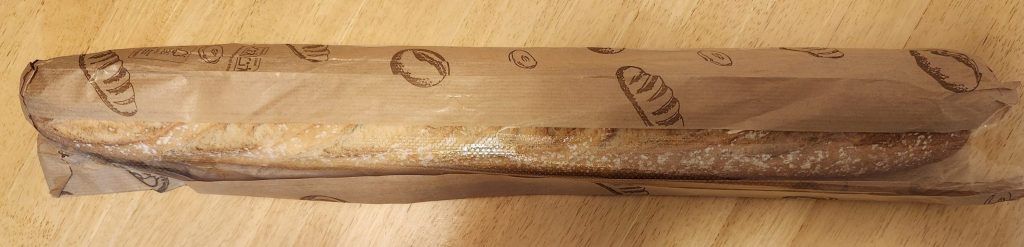
Baguette法棍面包很硬,但是这是瓦伦西亚居民最常买的面包。刚来西班牙时我是很拒绝的,觉得这个面包太硬了,吃起来很费劲。但是后来的多次尝试,让我慢慢接受了它。因为它的味道很像中国的烤馒头片的味道。
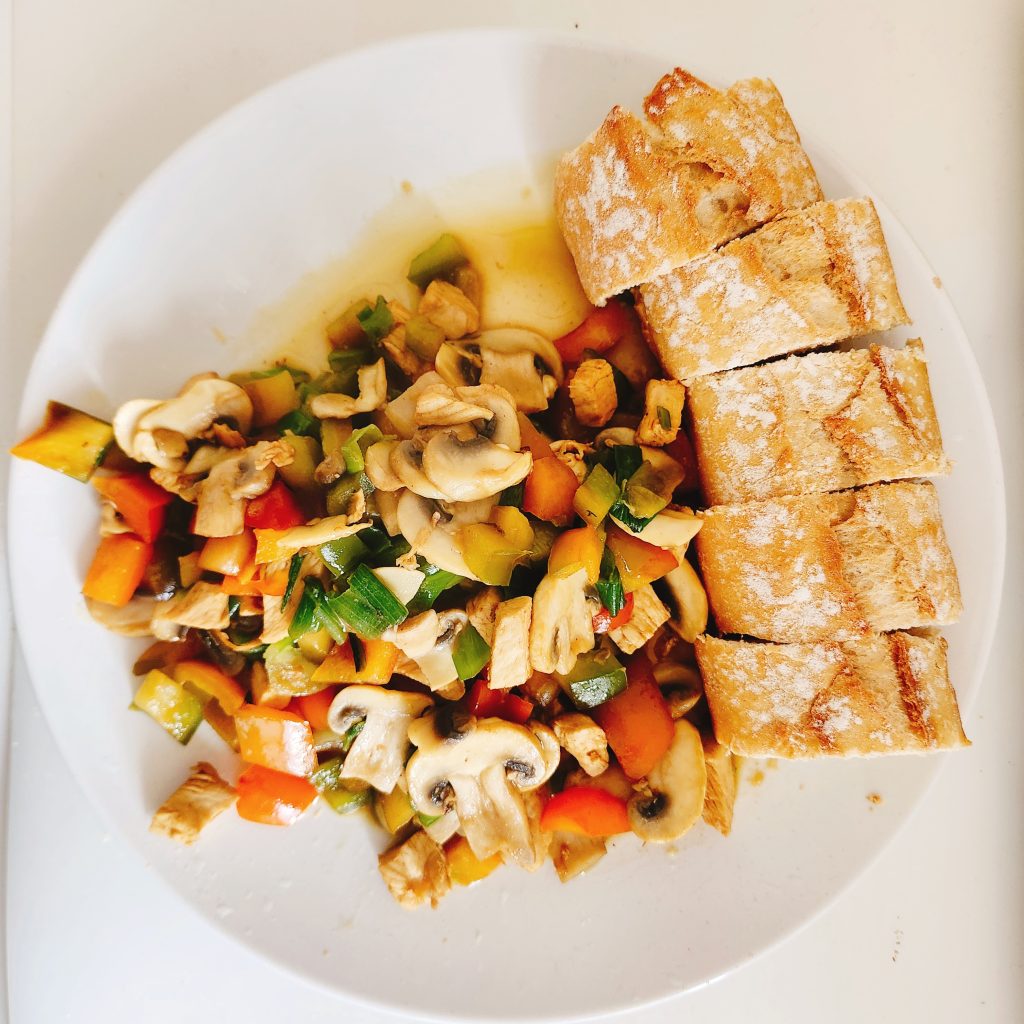
再后来我发现,这里的居民会把它沾着汤汁吃,一下子就软了很多,我就发明了中西结合的餐食,中式炒菜配法棍面包,没有违和感。
Barra de pan pistola对我来讲,我是分不清它与法棍的区别的。熟悉这两种面包的小伙伴,请在文章下面评论告诉我。
吃法棍通常要用一种带锯齿的刀(这就是切法棍用的刀)把法棍切成一截一截的,这样吃起来比较方便。不过我也看到有学生直接拿着法棍吃,很喜欢西班牙学生这种松弛的状态。让我想起小时候的自己,拿着一块饼在上学路上吃。这让我对法棍有了更多的亲切感。
2. Pan payés (乡村面包)
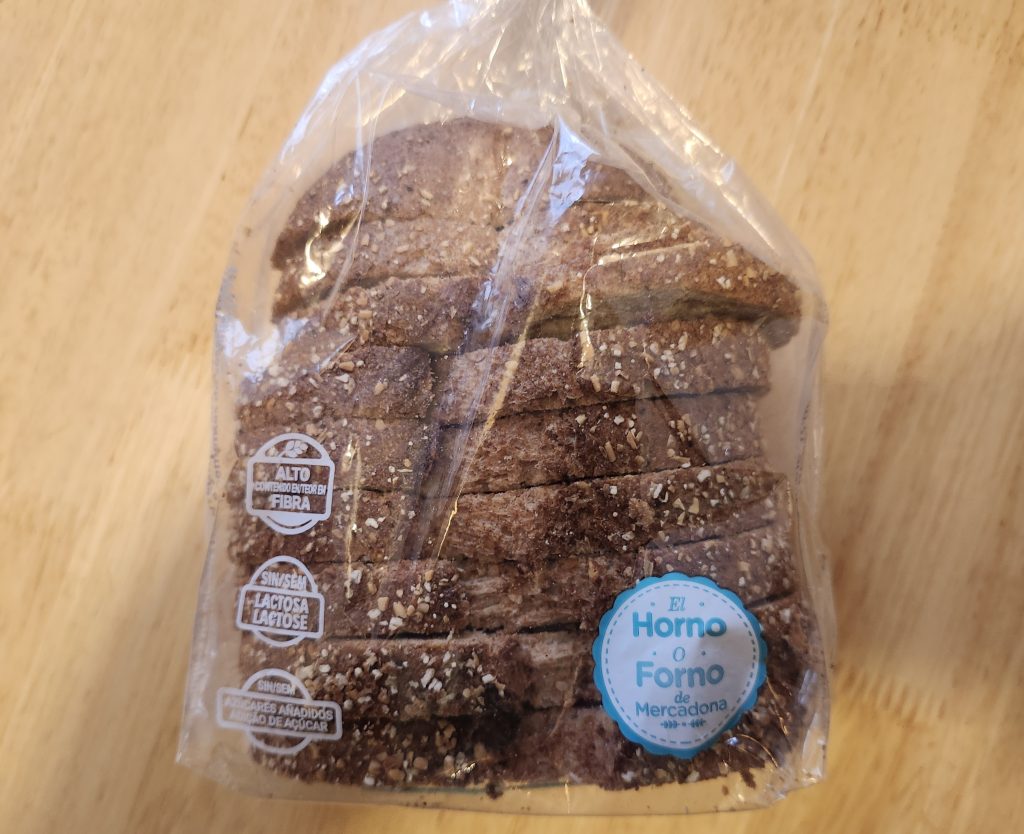
乡村面包是的特点通常是切好片的。具有典型的面包的外形,圆圆的,像中国很大的馒头。这种面包是我在这里早餐中最常吃的面包。有全麦的和半全麦的。我通常会先用烤面包机把它烤的半焦。然后抹上花生酱,或是贞子酱。有时我也会加上生菜,火腿和煎蛋做个乡村面包三明治。配上牛奶或咖啡,慢慢的享用。
3.pan balcnco (白色无皮面包)
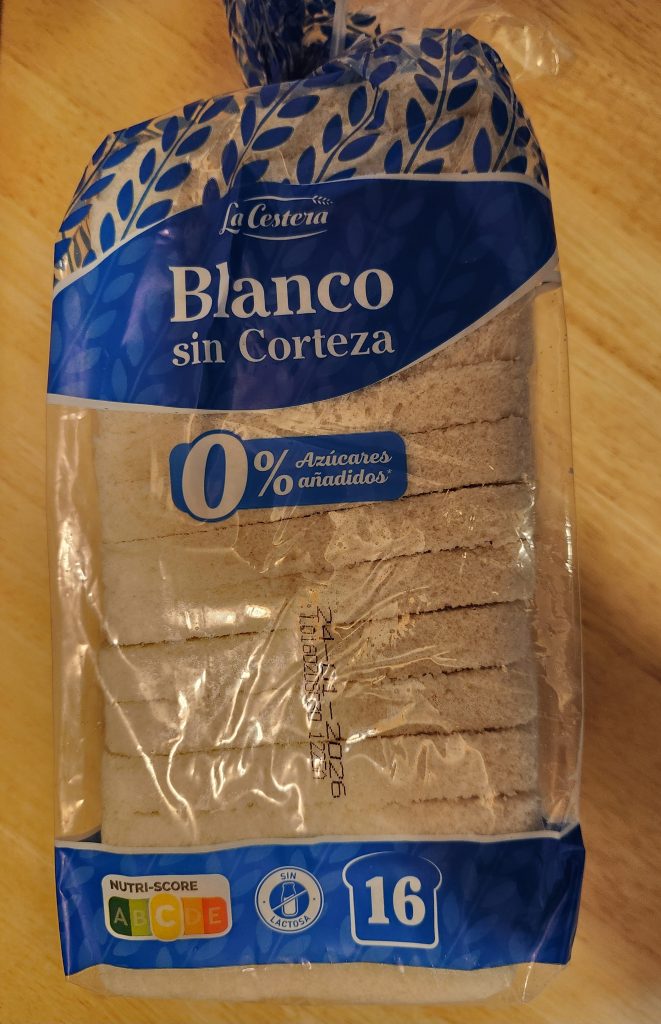
白色无皮面包,超市里也很常见。我的意大利朋友很喜欢吃这种面包。这种面包和中国的吐司面包差不多,但更松软。他有时也会把它做成三明治吃。
说到我的意大利朋友,还有个小故事分享给大家。他看到我把这些面包放到冰箱里的时候,一脸不可思议的表情,他忍不住了,委婉的跟我说,他们都把面包放到橱柜里,为什么我要把他放到冰箱里。我当时也没法解释,因为我的意大利语和西班牙语都还不好,他也不太说英语。我只是觉得我们面包都是放冰箱里的,怕长毛,我当时以为是生活习惯差异问题。但还是勉强听从了他的建议,把法棍放到了橱柜里。然后我就忘记了,一个月后我才想起来。当我看到我橱柜里的法棍时,我突然意识到他的做法和建议在西班牙是正确的,完全可以理解和接受。因为西班牙的这些主食面包都大多数都很干,越放越干,越放约硬。更神奇的是,我的那根忘记的法棍,一点也没有变质。我讲这个小故事主要是让小伙伴们了解,西班牙的这种主食面包如果保质期内或者几天内吃完,是可以不放冰箱的,当然为了健康,还是提醒大家要在食品保质期内食用。
4.Hojaldre(万伦西亚千层饼)
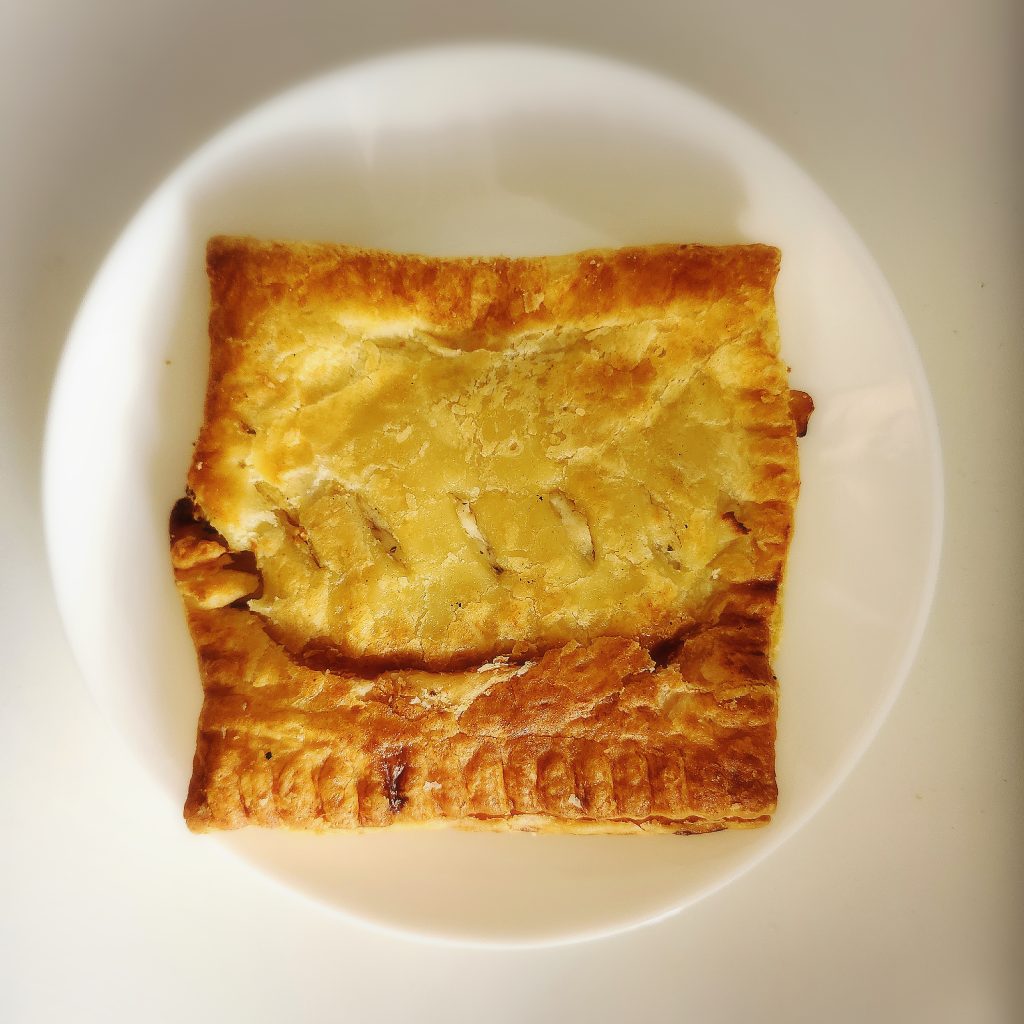
最后介绍的这个面包叫千层饼。这个饼不具备面包的外形,很像中国的饼。面皮比较酥脆,中间分层,一层或者多层,应该还有黄油,里面放着馅料。我还是比较喜欢吃这个的,有时把他当作早午餐或者来不及的时候,从超市买一块热乎的,方便又好吃。
其实,在瓦伦西亚针对有很多种面包,很多我都叫不上名字,我把这四种主食面包分享给大家,希望新来到瓦伦西亚的人能够有一些参考。我个人觉得这四种面包中国人更容易接受,推荐给中国的读者。
Bread is the staple food of the Spanish people, holding a status as indispensable as steamed buns on a Chinese dining table. This article focuses on staple breads, which are the primary substitute for Chinese or other Asians—typically accustomed to rice and steamed buns—looking for a fundamental carbohydrate. It is also the premier gateway for integrating into the local Valencian culinary scene.
1. Baguette & Barra de pan pistola
The baguette is quite hard, but it is by far the most commonly purchased bread among local residents in Valencia. When I first arrived in Spain, I strongly resisted it—I found it too hard and difficult to eat. However, after trying it many times, I slowly began to accept it.
One reason is that its flavor reminds me of toasted slices of “mantou” in China. I also noticed that locals often dip it into soup or sauce. Once soaked, it becomes much softer and absorbs the flavor, creating a completely different taste.
As for Barra de pan pistola, honestly, I can’t really tell the difference between it and a baguette. If you know the distinction, feel free to leave a comment below and enlighten me.
Baguettes are usually cut into sections using a serrated knife(like this), which makes them easier to eat. That said, I’ve also seen students walking around, casually holding a whole baguette and eating it directly. I really love this relaxed attitude of Spanish students—it reminds me of my childhood, walking to school with a pancake in my hand. That memory made the baguette feel much more familiar and comforting to me.
2. Pan payés
Country bread is usually sold pre-sliced. It has a classic bread shape—round and sturdy—very much like an oversized “mantou” in China. This is the bread I eat most often for breakfast here. It comes in whole wheat and semi–whole wheat versions.
I usually toast it until it’s lightly charred, then spread peanut butter or jam on top. Sometimes I add lettuce, ham, and a fried egg to make a country bread sandwich. Paired with milk or coffee and enjoyed slowly, it makes a perfect breakfast.
3. Pan blanco
White crustless bread is also very common in supermarkets. My Italian friend loves this type of bread. It’s similar to Chinese toast bread but even softer. He used to make sandwiches with pan blanco.
4. Hojaldre
The last one I want to introduce is hojaldre, a type of puff pastry. It doesn’t really look like bread at all—in fact, it resembles a Chinese-style pastry more. The outer layers are crispy and flaky, with one or multiple layers inside, often rich with butter and filled with various fillings.
I personally enjoy this one quite a lot. Sometimes I eat it as brunch, or when I’m in a hurry, I’ll grab a warm piece from the supermarket. It’s convenient, satisfying, and delicious.
In fact, there are many more types of bread in Valencia—so many that I can’t even name them all. I chose to share these four staple breads as a reference, especially for newcomers to Valencia. Personally, I think these are the breads that Chinese people are more likely to enjoy and accept, so I highly recommend them to Chinese readers.
One response to “Bread in Valencia”
👍👍👍